Home » 2013 (Page 9)
Yearly Archives: 2013
Understanding Poetry: “West Wind #2” and intonation
I’ll use Snagit to add voice to this later. (I need a different microphone and a quieter venue with better acoustics.)
The linguist uses the International Phonetic Alphabet to indicate rising intonation, e.g., in an interrogative:
He found it on the street?
[ hiː ˈfaʊnd ɪt | ɒn ðə ↗ˈˈstɹiːt ‖ ]
The reader/speaker can use intonation to change attitude or meaning:
You are young.
1. ↗You are young, as opposed to others, perhaps me, the [the older, wiser] speaker.
2. You ↗are young, in case you don’t think so.
3. You are ↗young, to quite a degree.
So you know everything.
1. So ↗you know everything, as opposed to me, the [more enlightened] speaker.
2. So you ↗know everything, emphasizing the act of knowing.
3. So you know ↗everything, emphasizing that you believe you are informed [perhaps a know-it-all].

Poetry 180
There are usually 180 days of instruction in American public schools.
The idea behind this site is to supply a poem a day, hopefully to be read over the loudspeaker along with the Pledge and announcements.
(The only poems I’ve ever heard read over the PA are the ones I’ve recited when I’ve commandeered the microphone on yearbook deadline nights.)
“Will I miss anything important?”: About absences
Did I Miss Anything?
Tom Wayman
Nothing. When we realized you weren’t here
we sat with our hands folded on our desks
in silence, for the full two hours
Everything. I gave an exam worth
40 percent of the grade for this term
and assigned some reading due today
on which I’m about to hand out a quiz
worth 50 percent
Nothing. None of the content of this course
has value or meaning
Take as many days off as you like:
any activities we undertake as a class
I assure you will not matter either to you or me
and are without purpose
Everything. A few minutes after we began last time
a shaft of light suddenly descended and an angel
or other heavenly being appeared
and revealed to us what each woman or man must do
to attain divine wisdom in this life and
the hereafter
This is the last time the class will meet
before we disperse to bring the good news to all people
on earth.
Nothing. When you are not present
how could something significant occur?
Everything. Contained in this classroom
is a microcosm of human experience
assembled for you to query and examine and ponder
This is not the only place such an opportunity has been
gathered
but it was one place
And you weren’t here
From Did I Miss Anything? Selected Poems 1973-1993, 1993
Harbour Publishing

Wisdom
You take my opinion in one hand, and fifty cents in the other, and you can’t even buy a doughnut.
Critical Thinking: Basic terms
Let’s put the tools in the toolbox. Commit these to memory, start applying them, and you’ll start some keen thinking:
Fact: a statement that can be verified.
Opinion: what someone thinks, believes, or wishes.
When you state your opinion, there are four types:
Judgement evaluates, using evidence and reasoning.
Advice recommends, usually based on judgement.
Generalization is sometimes true, depending on degree: all, some, none, most, many.
Personal taste or sentiment is what you like.
(I suggest a sentence mnemonic: Japanese Animals Grazing Peacefully.)
“Gladiator was a terrible movie for swordfighting aficionados” is judgement.
“You should go to college” is advice.
“Men have more upper body strength” is generalization.
“My favorite color is __________________” or “I’ll take the Pepsi” is personal taste.
Ugh.

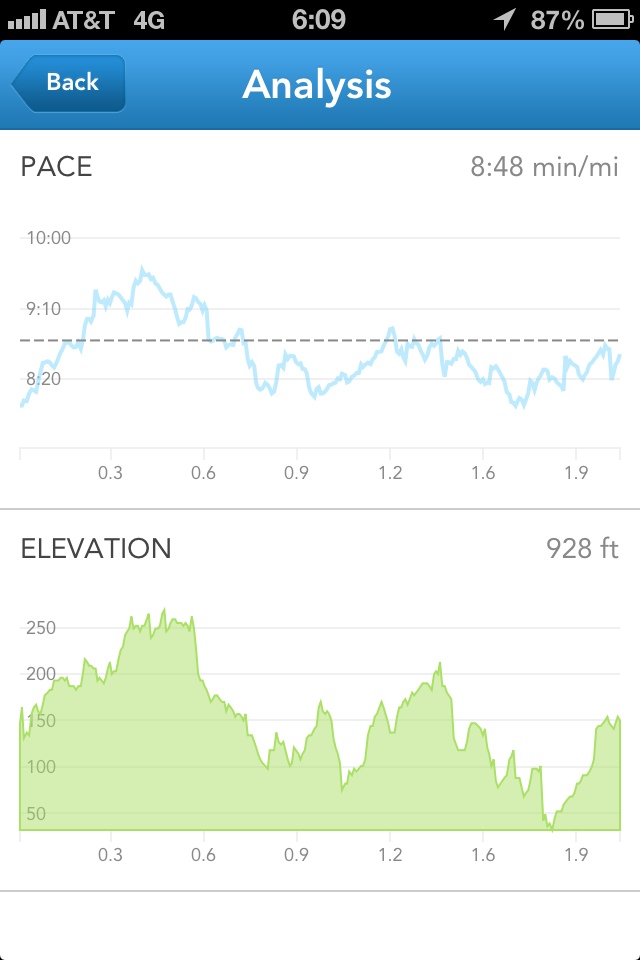
Sloppy run. That’s what happens when you take a couple of weeks off and eat hot dogs.
 Kingsley Andersen